



What Is Your Vehicle Worth?
If you’ve ever tried to trade in a vehicle, you probably ask yourself a version of the same question, “How do dealerships determine trade-in value?” You hand over your keys, someone walks around your car with a clipboard, maybe takes it for a spin, then comes back with a number, and you’re left wondering how they got there. How is the trade-in value calculated? At Carlisle Buick GMC, we believe that whether you’re preparing to upgrade to a new GMC Sierra 1500 or a refined Buick Encore GX or simply want to know what your current vehicle is worth, it helps to know what goes into that number. In this article, we will be breaking it all down into clear terms so there’s no worry about gimmicks and no guesswork, just a transparent view of how trade-in value is calculated. Visit us today in Carlisle, PA!

What Do Dealerships Look For When Trading in a Car?
Market Value: The Starting Point
Every appraisal starts with a look at the current automotive market as a method of how dealerships determine trade-in value. We analyze recent sales of vehicles like yours—same make, model, year, and condition—using tools like Kelley Blue Book, Black Book, and auction reports, and dealers use software to track vehicle condition reports. These aren’t arbitrary numbers, as they reflect real-world buying behavior, from wholesale prices to trends across Pennsylvania and beyond. We begin with data, not guesses, to give you the best and fairest price possible. Market value alone doesn’t set your offer but provides a range that allows us to dive into the details that make your vehicle valuable. The volatile nature of the used car market means prices can change frequently, impacting trade-in values significantly, which is why accurate appraisals and consumer convenience are crucial.
The Core of Your Vehicle’s Worth
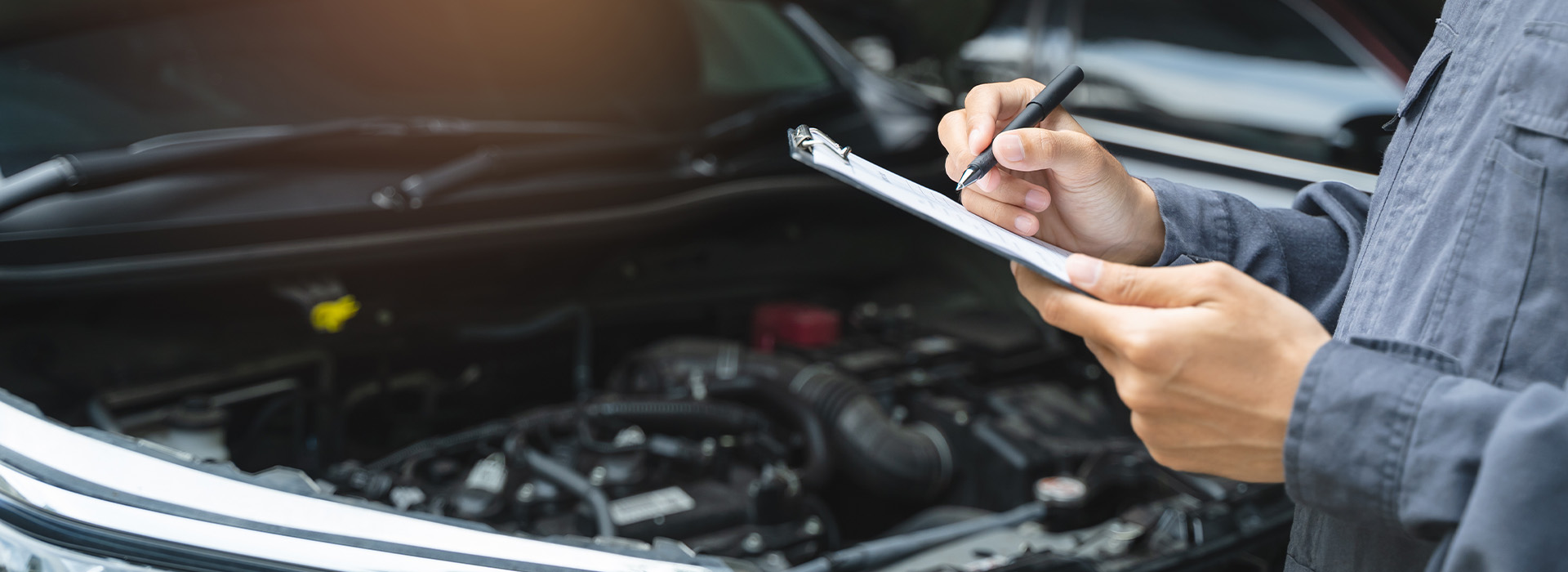
Overall, condition is one of the most essential elements in your trade and appraisal and how dealerships determine trade-in value. Clean, well-maintained vehicles in good condition with a solid service history will always command more than cars with cosmetic wear or mechanical concerns. Is the engine running smoothly? Are there any warning lights or unusual sounds? Has routine maintenance always been completed on time? The mechanical health of your vehicle plays a substantial role in the value you’ll receive back during the trade-in process. We will examine the paint, body panels, windshield, and wheels. Dents, scratches, or rust can reduce the value, so clean, intact panels are a plus.
Upholstery, dashboard condition, odors, and wear are also factors. A clean interior signals a cared-for vehicle, which typically means fewer surprises for us later. In short, the better the shape your car is in, the closer it will get to the high end of that market range.
The Miles Tell the Story
Mileage tells us how much life might be left in a vehicle and how much reconditioning might be needed to prepare it for resale. Generally speaking, lower mileage means higher value, especially when paired with regular service records. Negative equity occurs when the amount owed on the car loan exceeds the car’s trade-in value. If your vehicle’s mileage is well below average for its age, that’s a major win for how dealerships determine trade-in value. Conversely, high-mileage vehicles may still be valuable, but they’re usually cautiously assessed due to higher wear.
Vehicle Age Isn’t Just A Number
A newer vehicle can usually bring in more value, but age doesn’t tell the whole story. A 10-year-old SUV that’s been meticulously cared for can often outshine a five-year-old model that’s been neglected when it comes to how dealerships determine trade-in value. The key is to decide how the vehicle has been treated over time. If it’s passed state inspections, received routine maintenance, and avoided any major collisions, those points work in your favor. As cars age, condition and reliability matter more than the model year alone.
Documentation Makes A Difference
Bring in every bit of paperwork you have available for your vehicle. Service records, inspection reports, oil change receipts, and even your original window sticker all tell a story of ownership. A well-documented vehicle is easier for us to trust and resell, allowing you to complete the transaction quickly and efficiently, translating into a better offer for you. If you’re the original owner and have consistently maintained the car, that will help with how dealerships determine trade-in value. A single-owner, well-maintained vehicle with a clean CARFAX® history usually fetches 5 to 10% more than a similar car with gaps in its background.
Modifications: Helpful or Harmful?
Many unique vehicles roll through our lot, from lifted trucks with custom wheels to performance exhausts and aftermarket stereos. Some mods will help determine how dealerships see your trade-in value, while others won’t. Upgrades like new tires, premium factory options, bed liners, or tech features that are in demand are obvious modifications that will help enhance your vehicle’s value. However, mods that reduce mainstream appeal, like extreme lift kits or loud exhausts, may limit the pool of interested buyers. When in doubt, factory specs are usually safest when it comes to maximizing value.
Offering You Fair, Honest Value
At Carlisle Buick GMC, we don’t see trade-ins as a bargaining chip but as a chance to build trust and to help you get into the next vehicle that better fits your life. So when you ask us how dealerships determine trade-in value, know that the answer is rooted in real data, real condition assessments, and real demand, with a focus on how sellers can streamline their experience. More importantly, it’s done with your best interest in mind. Sellers can expect transparent trade-in values and fair dealership offers, helping them understand the financial aspects involved in trading in a vehicle. Stop by or start your appraisal online if you’re considering trading in. Visit us today in Carlisle, PA!
Connect with us

